
Vending Machine Price Breakdown: New vs. Used Equipment
Compare new vs. used vending machine price ranges, total costs, and ROI to choose the best equipment for your location.
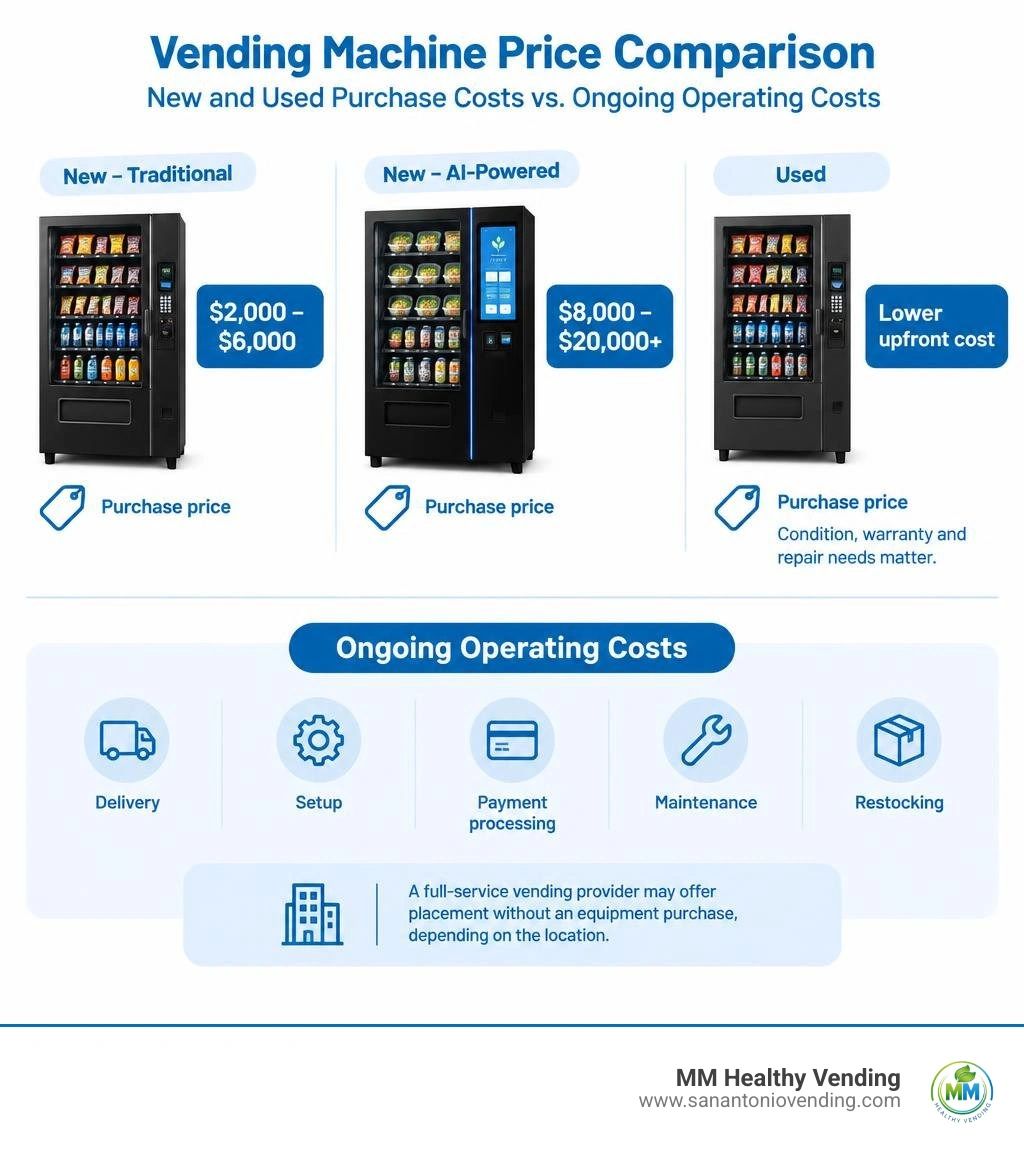
Vending Machine Price: What to Budget for New and Used Equipment
A traditional vending machine typically costs $2,000 to $6,000 to buy, while an AI-powered machine costs $8,000 to $20,000 or more. Used equipment can lower the upfront price, but its condition, warranty, and repair needs matter as much as the asking price.
The purchase price is only part of the budget. Delivery, setup, payment processing, maintenance, and restocking also affect what a machine costs to run. If you manage an office or facility, a full-service vending provider may offer placement without an equipment purchase, depending on the location.
I'm Manuel Mojica, founder of a San Antonio vending operation with deployments nationwide. My experience buying equipment and managing routes helps me look beyond the vending machine price to the cost of keeping it stocked and working.
Vending machine price terminology:
Comprehensive Vending Machine Price Comparison: Traditional, AI, and Specialty Models
When you start budgeting for automated refreshment equipment, the sheer range of hardware can be overwhelming. A basic mechanical snack unit sits at one end of the spectrum, while an AI-driven smart cooler or automated robotic kiosk occupies the other. Finding the right fit requires carefully evaluating commercial machine options alongside your location's daily foot traffic.
The global intelligent vending market was valued at $17.7 billion in 2026 and is forecast to reach $53.2 billion by 2036. This growth is driven by consumer demand for frictionless, cashless checkout and high-end fresh food options. To understand how capital expenditure shifts across categories, take a look at the breakdown below.
| Machine Category | Typical Purchase Price | Primary Technology | Best Suited For | Ongoing Monthly Platform Fees |
|---|---|---|---|---|
| Traditional Snack/Drink | $2,000 – $6,000 | Coils, bill validators, drop sensors | Ambient snacks, canned/bottled drinks | $0 – $40 (optional telemetry) |
| AI Smart Coolers | $8,000 – $20,000+ | Computer vision, weight sensors, NFC | Fresh salads, sandwiches, premium drinks | $50 – $200 (mandatory SaaS) |
| Robotic Coffee Kiosks | $18,000 – $19,000 | 6-axis robotic arms, touchscreens | Bean-to-cup espresso, specialty drinks | $100 – $300 |
| Specialty Hot Food (Pizza/Fries) | $8,200 – $11,050 | Built-in convection ovens, freezers | Hot artisan pizza, fresh French fries | $50 – $150 |
| Fresh Citrus Juicers | $7,710 – $8,220 | Automated citrus press, chilling units | Made-to-order orange juice | $30 – $100 |
Whether you are scouting high-traffic business parks or checking search results for vending machine locations, matching the equipment build to your audience determines your success.
Traditional Snack and Drink Vending Machine Price Ranges
Traditional coil and push-shelf machines remain the workhorses of the vending industry. Entry-level, compact snack units start around $2,000 to $3,700, while standard refrigerated combo drink-and-snack systems range between $4,198 and $7,048.
For instance, standard 23-selection snack models retail near $3,728, while versatile 38-selection refrigerated combo units hover around $7,048 (often discounted by $400 to $500 depending on distributor promotions). If you are looking at traditional vending units for industrial plants or breakrooms, these systems provide bulletproof reliability.
Refurbished or used models can drop your entry cost down to $1,500 to $3,000. However, older coin-operated vending equipment often lacks modern MDB (Multi-Drop Bus) harnesses, making it expensive to retrofit with modern cashless card readers. We always recommend confirming that any legacy unit is ADA-compliant and fully compatible with mobile wallets before committing capital.
Smart and AI Vending Machine Price Expectations
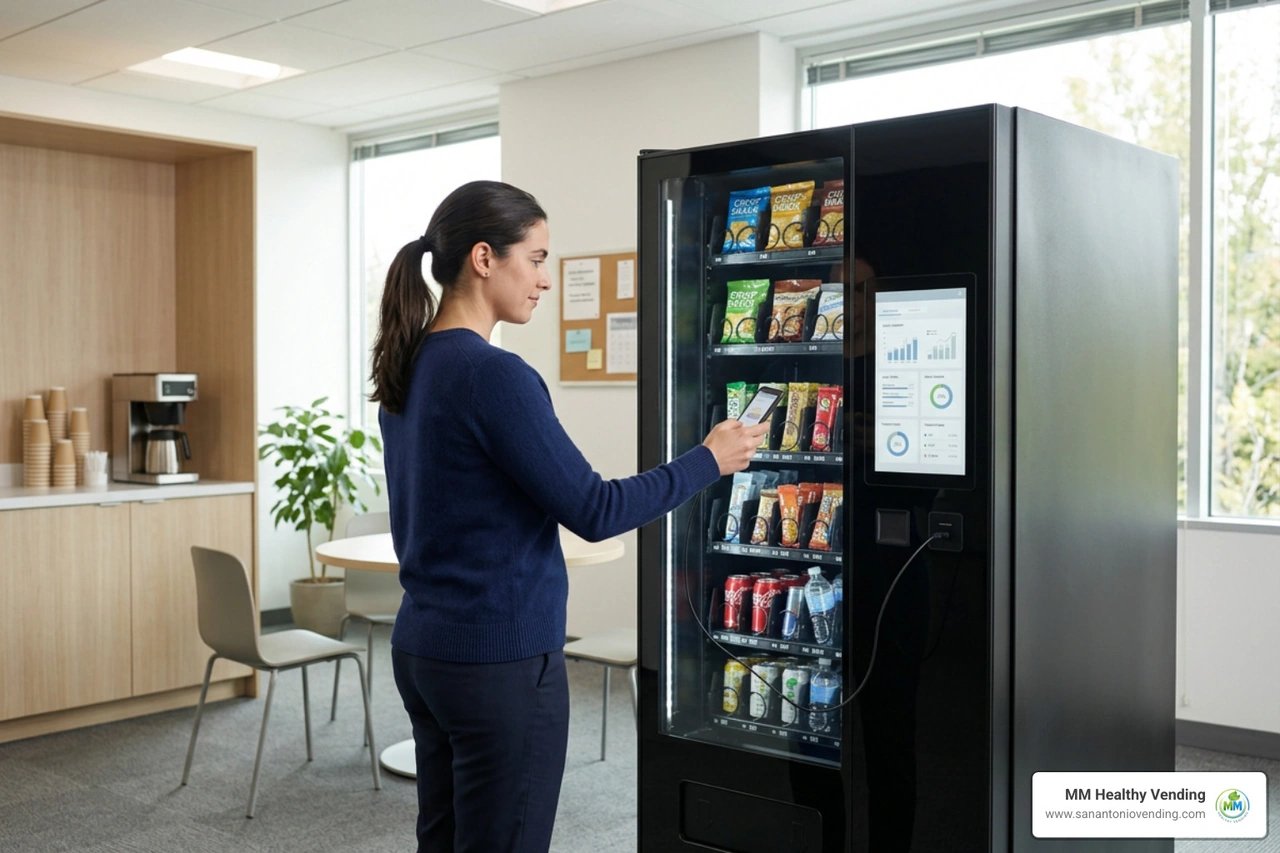
Smart vending machines replace coils with computer-vision cameras, intelligent shelf weight sensors, and electronic door locks. When a customer taps their payment card, the glass door unlocks, allowing them to inspect and grab multiple items before shutting the door. The system automatically bills their card in a single checkout.
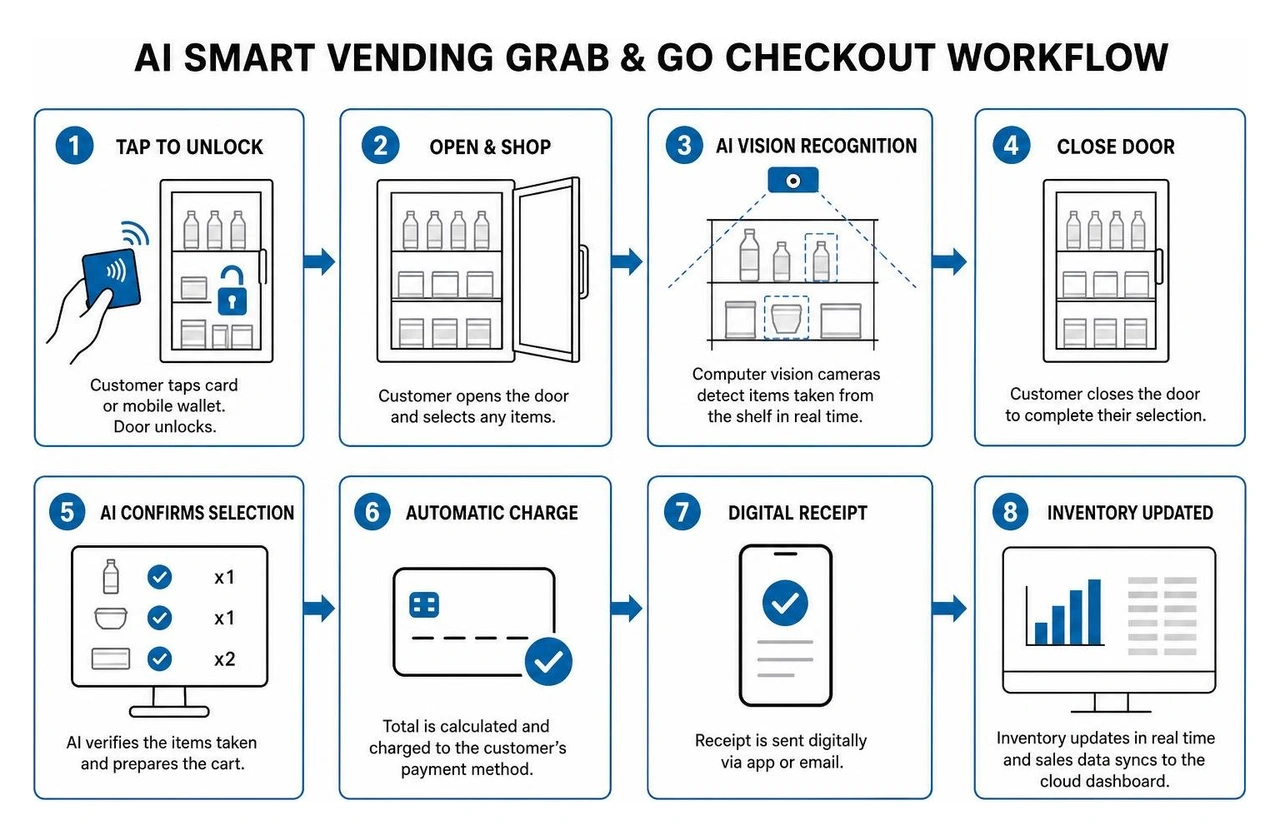
These advanced AI smart vending coolers carry upfront hardware costs ranging from $8,000 to over $20,000. While the entry price is considerably higher than mechanical units, operators adopting AI vending business models benefit from much higher average transaction sizes and dynamic remote inventory tracking.
Specialty Automated Retail Kiosks and Food Dispensers
Beyond packaged chips and sodas, automated retail has expanded into made-to-order meals and fresh beverages. These specialized kiosks incorporate commercial refrigeration, precision robotics, and rapid heating components:
- Commercial Orange Juice Dispensers ($7,710 – $8,220): These feature transparent front windows where customers watch whole oranges get cut and freshly squeezed in seconds.
- Automated Pizza Kiosks ($8,200 – $9,220): Equipped with refrigerated dough/topping storage and built-in flash-bake ovens that serve hot pizzas in under three minutes.
- Commercial French Fry Vending ($11,050): Automated hot-oil or rapid-air fry systems designed for entertainment venues and busy terminals.
- Robotic Barista Kiosks ($18,000 – $19,000): High-end kiosks utilizing 6-axis robotic arms to grind, brew, foam, and serve gourmet espresso drinks around the clock.
While specialized kiosks require higher capital investment than standard automatic snack machines, they capture impulse purchases at significantly higher price points.
Total Cost of Ownership: Upfront vs. Ongoing Operational Expenses
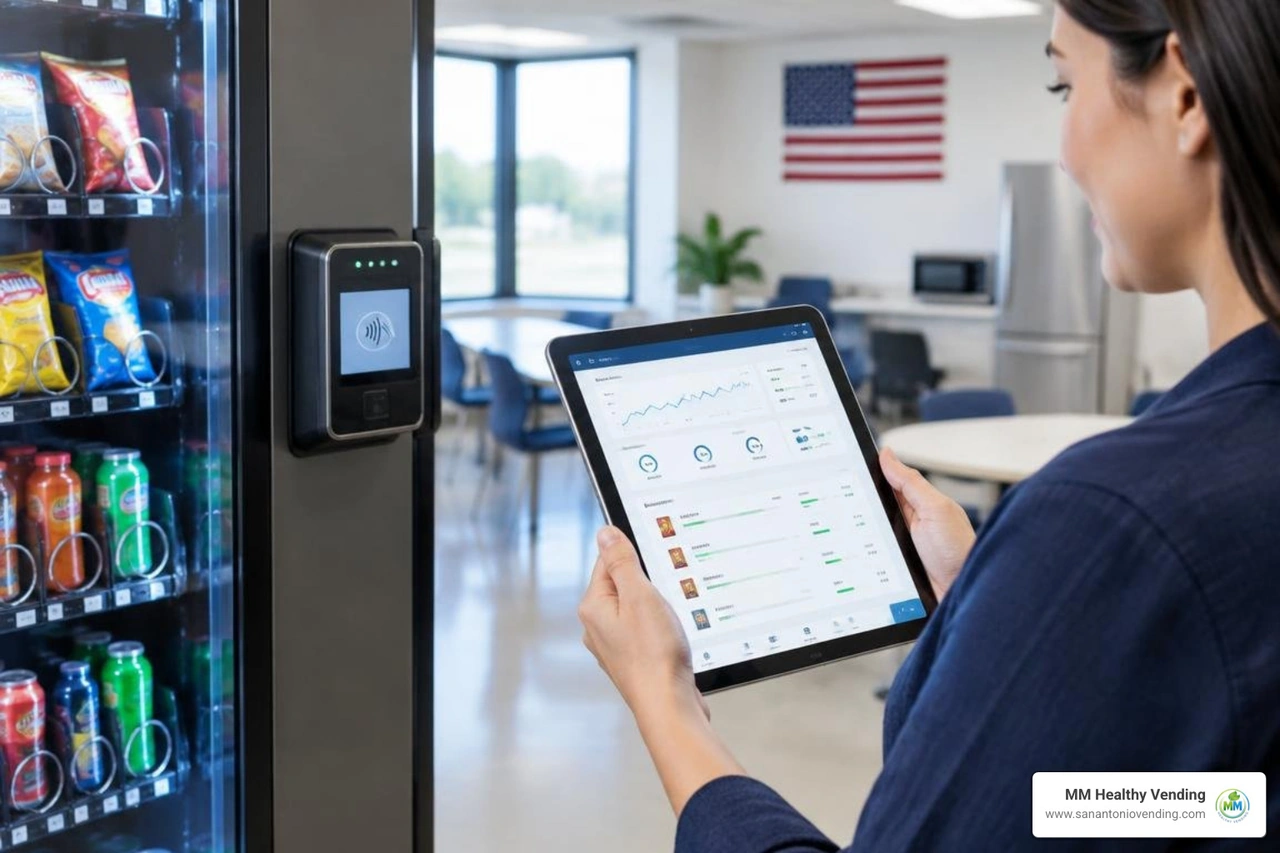
Calculating the true cost of vending equipment means looking far past the invoice price. The all-in first-year cost for a single traditional machine sits between $2,500 and $7,000, while an AI smart machine ranges from $9,800 to over $23,000. Understanding these long-term expenses helps you budget accurately and prevents unexpected operating shortfalls. For an in-depth breakdown of utilities and ongoing maintenance, review our 24-hour operational cost factors.
Evaluating the daily realities of route labor and overhead is essential, a topic often debated by professionals discussing is there ANY money in routing?.
Hardware, Delivery, and Initial Setup Expenses
Getting a 700-pound refrigerated machine into your building involves logistics costs that many first-time buyers overlook:
- Freight & White-Glove Delivery ($300 – $800): Curbside freight drop-off leaves a heavy machine on a pallet. White-glove delivery covers uncrating, stair-climbing equipment, and positioning the unit indoors.
- Dedicated Electrical Infrastructure ($200 – $600): Refrigerated combo machines require a dedicated 110V/15-20 amp grounded circuit. Installing a new outlet or upgrading commercial breakers adds to setup costs.
- Payment Processing & Telemetry Hardware ($300 – $500): Equipping traditional self-service vending solutions with EMV-compliant, contactless card readers requires upfront peripheral purchases plus initial network activation fees.
Hidden Route Labor, Maintenance, and Software Fees
The day-to-day operation of a machine generates several recurring expenses:
- Software Platform Subscriptions: AI machines require proprietary cloud management software ($50 to $200 per machine monthly) to process camera streams and maintain real-time inventory balances. Traditional units run fine without software, though optional cellular telemetry devices cost $15 to $40 monthly.
- Payment Gateway & Merchant Fees: Credit card processors charge roughly 5¢ to 10¢ per transaction plus 2.5% to 5.95% of gross revenue.
- Maintenance & Mechanical Wear: Traditional coil machines suffer from jammed spiral motors, faulty bill validators, and coin mechanism jams. Budget $300 to $600 annually for routine servicing. AI smart coolers have fewer mechanical moving parts but depend heavily on camera calibration and stable internet connectivity.
- Stockout & Restocking Inefficiencies: Without real-time telemetry, running blind restocking routes leads to wasted fuel and lost revenue when popular items sell out early. Partnering with a dedicated team for professional vending machine service eliminates this administrative and operational overhead entirely.
Revenue Potential, ROI Timelines, and Financing Structures
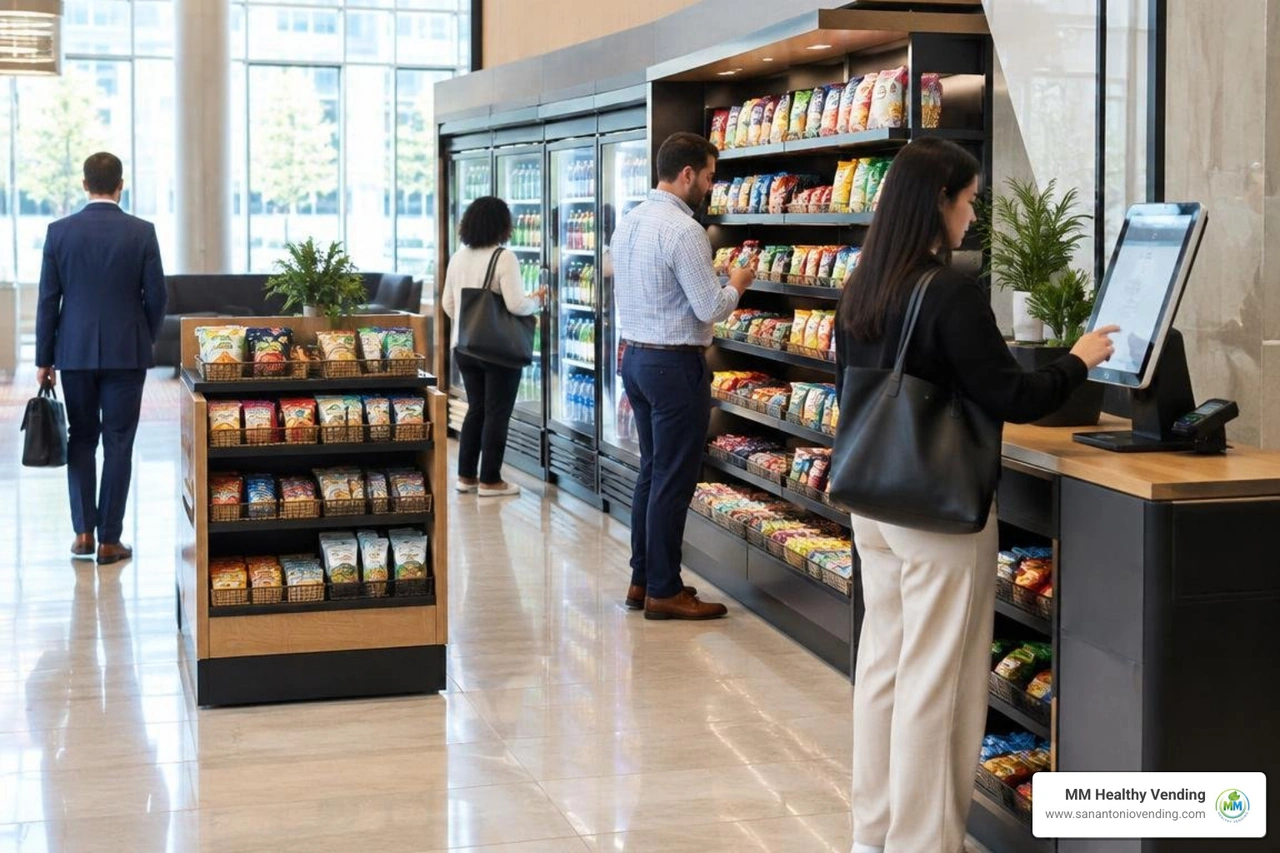
A machine's purchase price only makes sense when weighed against its monthly cash flow. Traditional coil machines generate steady, smaller sales, whereas smart coolers and micro markets encourage multi-item purchases with significantly higher ticket averages. If you are assessing revenue targets for your company, check out our office vending machine benchmarks.
Return on Investment and Breakeven Analysis
Because traditional machines carry a low initial cost, they achieve breakeven quickly even on modest monthly sales. However, smart machines unlock far higher earning ceilings over time.
| Performance Metric | Traditional Coil Machine | AI Smart Cooler / Micro Market |
|---|---|---|
| Average Transaction Size | $1.50 – $3.50 | $6.00 – $15.00+ |
| Typical Monthly Revenue | $300 – $800 | $1,000 – $5,000+ |
| Average Monthly Net Margin | 40% – 50% | 45% – 55% |
| Breakeven Timeline | 6 to 14 Months | 12 to 24 Months |
| First-Year All-In Cost | $2,500 – $7,000 | $9,800 – $23,000+ |
Traditional machines are structurally capped by their single-item checkout model. In contrast, modern smart snack vending setups allow an employee to grab a sparkling water, a fresh chicken wrap, and a premium yogurt simultaneously, easily pushing tickets past $12.00.
Equipment Leasing vs. Outright Purchase
If you choose to manage equipment in-house, financing options help spread capital costs:
- Outright Purchase: Maximizes long-term profit margins by eliminating interest payments and monthly obligations, but consumes $4,000 to $15,000+ in working capital per machine.
- Equipment Leasing (24 to 60 Months): Spreads hardware costs into predictable monthly payments ($100 to $450/month), preserving cash flow. Many equipment leases qualify for Section 179 tax deductions, allowing businesses to write off full purchase values in the first year.
When to Upgrade: Selecting the Right Machine for Your Location
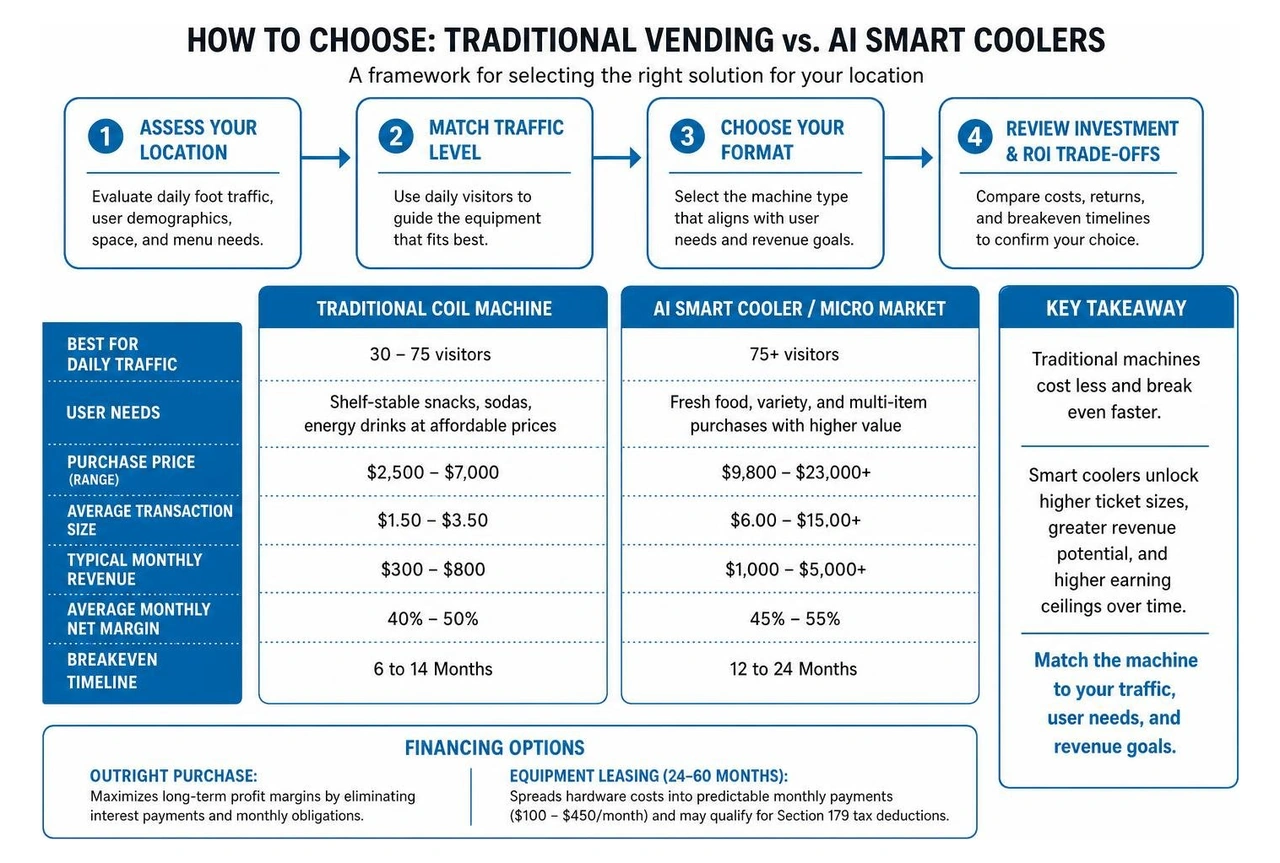
Choosing the right equipment format depends directly on foot traffic, user demographics, and menu requirements. For tailored workplace planning, explore our workplace office refreshment strategies.
Deploying Traditional Units in Moderate-Traffic Sites
Traditional coil machines are ideal for locations with 30 to 75 daily visitors, such as auto repair waiting rooms, manufacturing plant floors, and compact warehouses. These sites demand shelf-stable snacks, sodas, and energy drinks at affordable price points. In tighter spaces, installing compact snack vending machines keeps floor clutter to a minimum while providing essential refreshments without mandatory internet dependencies.
Justifying AI Smart Coolers and Micro Markets
Smart coolers and open-shelf markets thrive in corporate headquarters, medical centers, and residential communities with 100+ daily employees or residents. These users prioritize healthy salads, craft kombucha, artisan sandwiches, and fresh yogurt cups—items that cannot safely drop from mechanical coils.
If your facility qualifies, you don't need to spend $15,000 on new hardware. Our team at MM Healthy Vending provides fully managed, zero-cost micro market deployments that bring the latest grab-and-go technology directly to your team with zero capital outlay.
Frequently Asked Questions About Vending Equipment Costs
How much do standard combo vending machines cost to buy brand new?
New commercial combo vending machines that dispense both snacks and cold beverages generally cost between $4,198 and $7,048. Pricing varies based on total selection capacity (23 to 38 selections), dual-zone cooling capabilities, ADA accessibility compliance, and integrated touchscreens or digital payment peripherals.
What ongoing monthly software fees are required for smart vending machines?
Smart AI vending machines require cloud platform subscription fees ranging from $50 to $200 per machine each month. This fee covers cloud-based computer vision processing, remote telemetry, automated stockout alerts, dynamic menu management, and cellular data connections. Traditional mechanical vending machines do not require mandatory software platforms, though optional card reader telemetry subscriptions cost $15 to $40 monthly.
Is it more cost-effective to buy equipment or partner with a full-service operator?
For most business owners and facility managers, partnering with a full-service operator is far more cost-effective. Purchasing equipment carries upfront capital risks ($3,000 to $15,000+), continuous maintenance liabilities, routine wholesale product purchasing, and regular restocking labor.
A full-service provider like MM Healthy Vending delivers, installs, stocks, and maintains modern snack, drink, and AI smart machines completely free of charge. Your organization enjoys modern breakroom perks while avoiding equipment repair costs, route management logistics, and operational hassles.
Conclusion
Navigating vending equipment pricing requires balancing upfront hardware investments against continuous route operations, routine software fees, and maintenance costs. While traditional coil machines offer an affordable entry point for lower-traffic environments, modern AI coolers and open-shelf micro markets deliver the premium, fresh meal options that today's workforce expects.
At MM Healthy Vending, we eliminate equipment purchase costs and maintenance headaches entirely. We provide San Antonio businesses, as well as facilities across New Braunfels, Boerne, Schertz, Seguin, Helotes, Alamo Heights, and Southside, with brand-new, fully managed smart coolers, micro markets, and combo machines at zero cost. Supported by our rapid 2-hour local service response, your team enjoys premium refreshments while you protect your bottom line.
Ready to elevate your workplace breakroom without spending thousands on equipment? Explore our complete suite of workplace vending and refreshment services to schedule your free facility upgrade today.
You might also like...
More articles like the one you've read to keep you up-to-date on all things vending in San Antonio
Why San Antonio businesses choose us
Premium service, local expertise, cutting-edge technology
AI-powered smart coolers
Advanced computer vision technology for seamless, cashless transactions. Just grab what you need and go.
cashless
24/7 service
Round-the-clock support with an average 2-hour response time for any issues.
Local & trusted
Family-owned business proudly serving San Antonio since 2024
Ready to upgrade your breakroom?
Join hundreds of San Antonio businesses enjoying free, premium vending soutions