
Why Smart 24-Hour Vending Machines Are Worth the Upfront Price Tag
Discover the true 24 hour smart vending machine cost and see how AI features, cashless payments, and zero-CapEx options boost your ROI.
Why the Upfront Cost of 24-Hour Smart Vending Can Make Sense
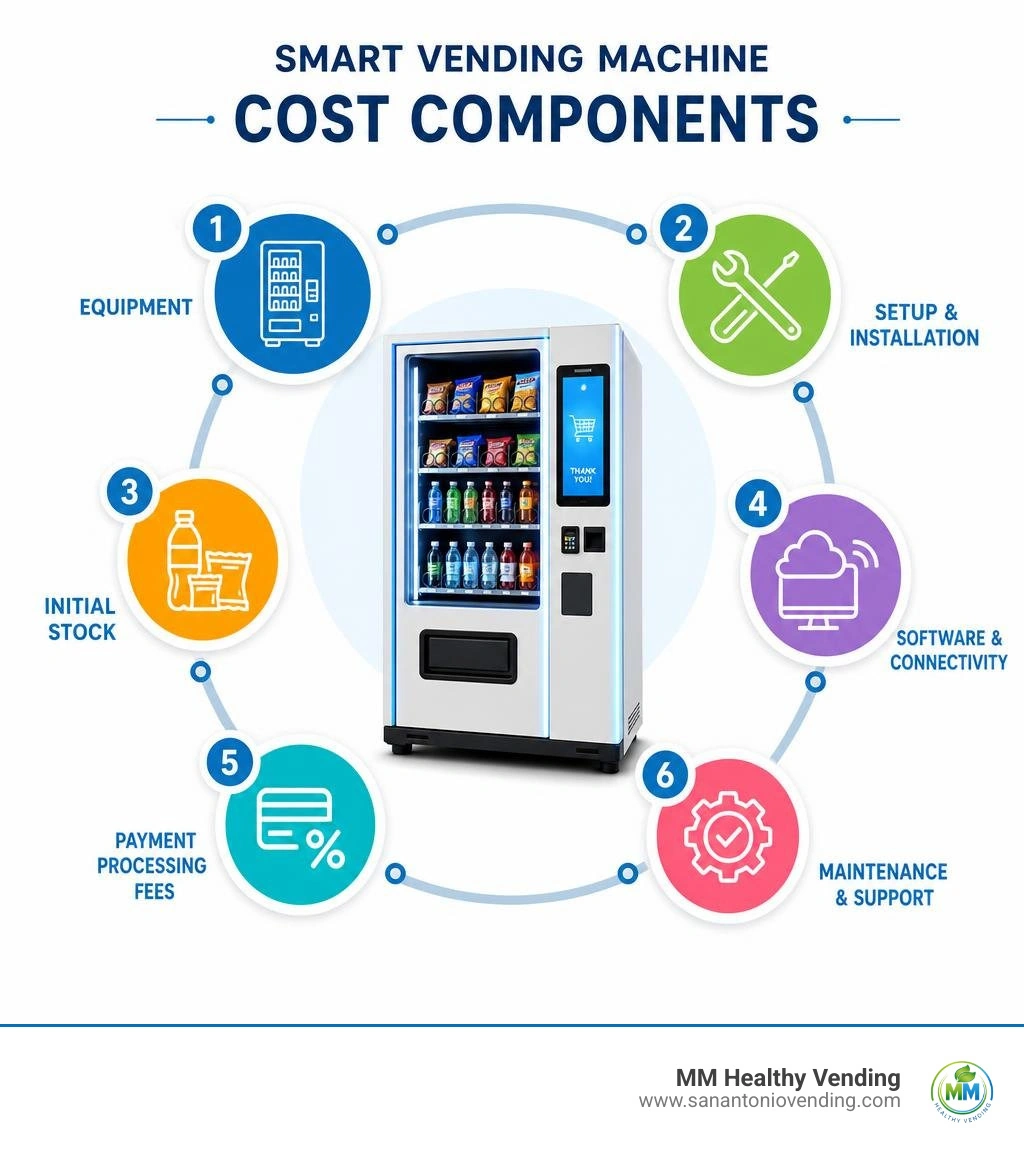
In 2026, a 24 hour smart vending machine cost usually falls between $5,000 and $15,000 for a solid touchscreen, cashless, connected unit. Premium AI coolers, fresh-food machines, and high-capacity models can reach $25,000 or more. Plan for another $1,500 to $5,000+ for delivery, installation, initial stock, software, and payment setup.
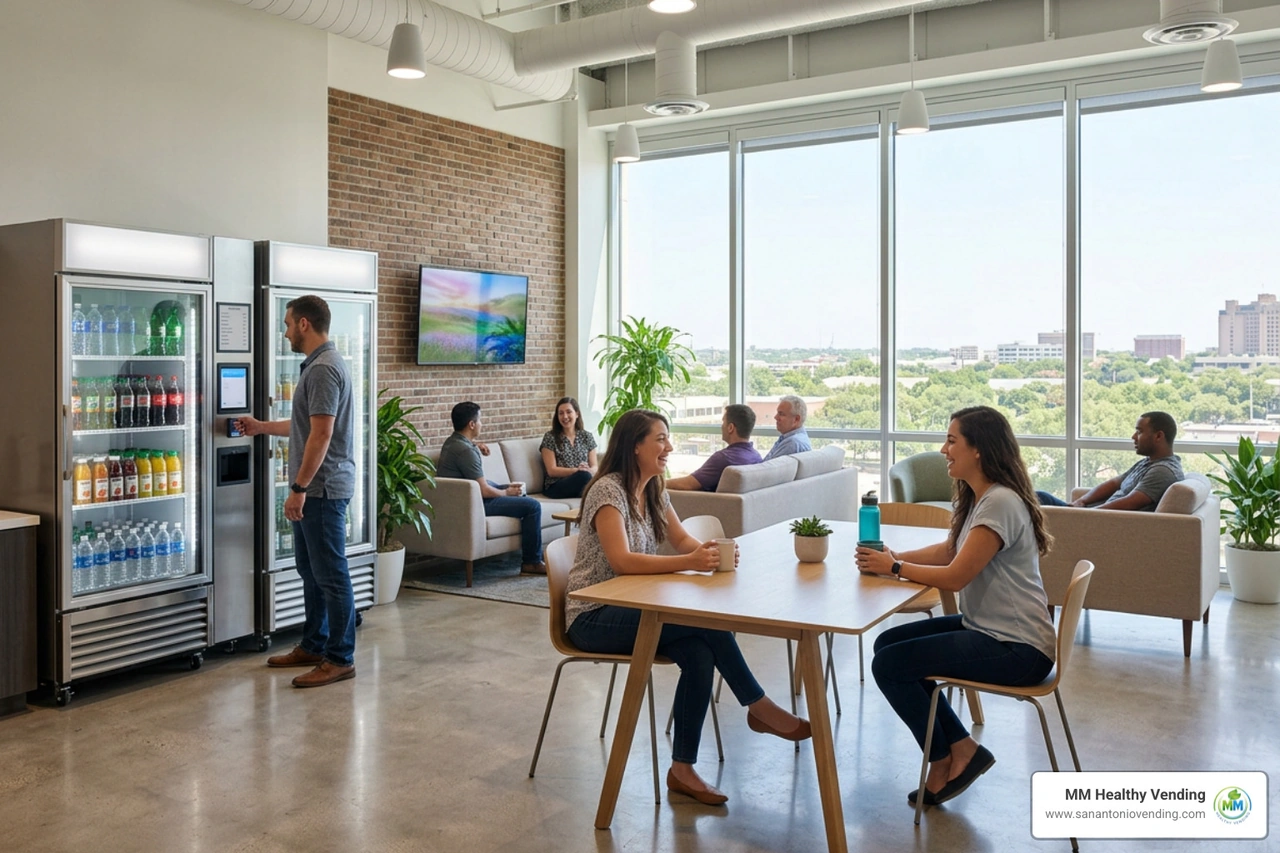
The price is higher than a basic vending machine, but the right machine in the right location can reduce wasted service trips, avoid out-of-stock items, and make buying easier at any hour. For offices, hospitals, gyms, and manufacturing sites, that can mean better employee access to food and drinks without adding staff.
The key is not buying the most advanced machine available. It is matching the equipment, payment tools, product mix, and capacity to real demand. A high-tech smart cooler in a low-use breakroom may take years to pay back. A reliable cashless unit in a busy 24/7 workplace can produce a much faster return.
I am Manuel Mojica, founder of a seven-figure automated retail operation and an operator of smart vending, smart cooler, and micro-market equipment across multiple markets. In this guide, I will break down the real 24 hour smart vending machine cost so you can evaluate the upfront investment, recurring expenses, and likely payoff before committing.
Complete Breakdown of 24 Hour Smart Vending Machine Cost in 2026
When evaluating automated self-service systems, business owners and facility directors often wonder why the price spectrum is so broad. In 2026, automated retail hardware is no longer just a collection of mechanical motors and spiral coils. Modern systems function as intelligent micro-retail hubs equipped with industrial processors, telemetry modems, interactive digital displays, and complex sensor arrays.

To budget accurately, you have to look at both the initial capital outlay and the activation expenses:
- Hardware Capital Outlay ($5,000 – $20,000+): Entry-level smart refrigerated merchandisers start around $5,000 to $8,000. Commercial-grade combo units and multi-shelf smart coolers feature computer-vision cameras and load-cell weight sensors that range between $10,000 and $18,000. Ultra-high-capacity specialty machines designed for heavy commercial use can reach upwards of $25,000.
- Freight and Professional Delivery ($300 – $1,500): Moving an 800-pound commercial unit requires specialized lift-gate logistics, stair climbers, and interior placement services.
- Site Preparation and Setup ($200 – $1,000): While most units plug into a standard 110V, 60Hz outlet, commercial sites sometimes require dedicated circuits or hardwired ethernet drops if cellular reception is shielded within interior building cores.
- Cloud Telemetry & Software Licensing ($50 – $200/month): Smart machines rely on continuous cloud connectivity for real-time inventory tracking, remote temperature monitoring, dynamic digital signage, and over-the-air firmware updates.
Factors Driving Your Total 24 Hour Smart Vending Machine Cost
Why does one refrigerated machine cost $6,000 while another costs $16,000? The difference comes down to the underlying technology stack and structural build quality.
- Computer Vision and Weight Sensor Arrays: Advanced smart automated vending systems utilize internal camera matrices and precision load shelves. When a user swipes their card, the door unlocks; they can pick up an item, inspect the nutritional facts, put it back, or grab another. The machine tracks what was taken and bills them automatically when the door closes.
- Glass Technology and Thermal Management: A 24/7 commercial cooler cannot afford foggy glass doors. High-end units feature double-glazed hollow heated glass packed with zeolite molecular sieves to eliminate condensation in humid environments while cutting compressor cycle times.
- High-Capacity Internal Architecture: High-end models maximize interior cubic volume (often 18 to 22+ cubic feet), allowing operators to stack over 400 beverage containers or dynamic snack trays without product hang-ups.
- Dynamic Pricing and Display Hardware: Responsive touchscreens (ranging from 10-inch tablets to full 49-inch interactive glass displays) allow dynamic promotions, nutritional browsing, and combo discounting on the fly.
Hidden Operating and Setup Expenses to Budget For
Purchasing the physical box is only step one. Overlooking the day-to-day operational line items can quickly erode your margins. For a deeper perspective on how these costs stack up across the industry, take a look at this comprehensive average vending machine cost breakdown.
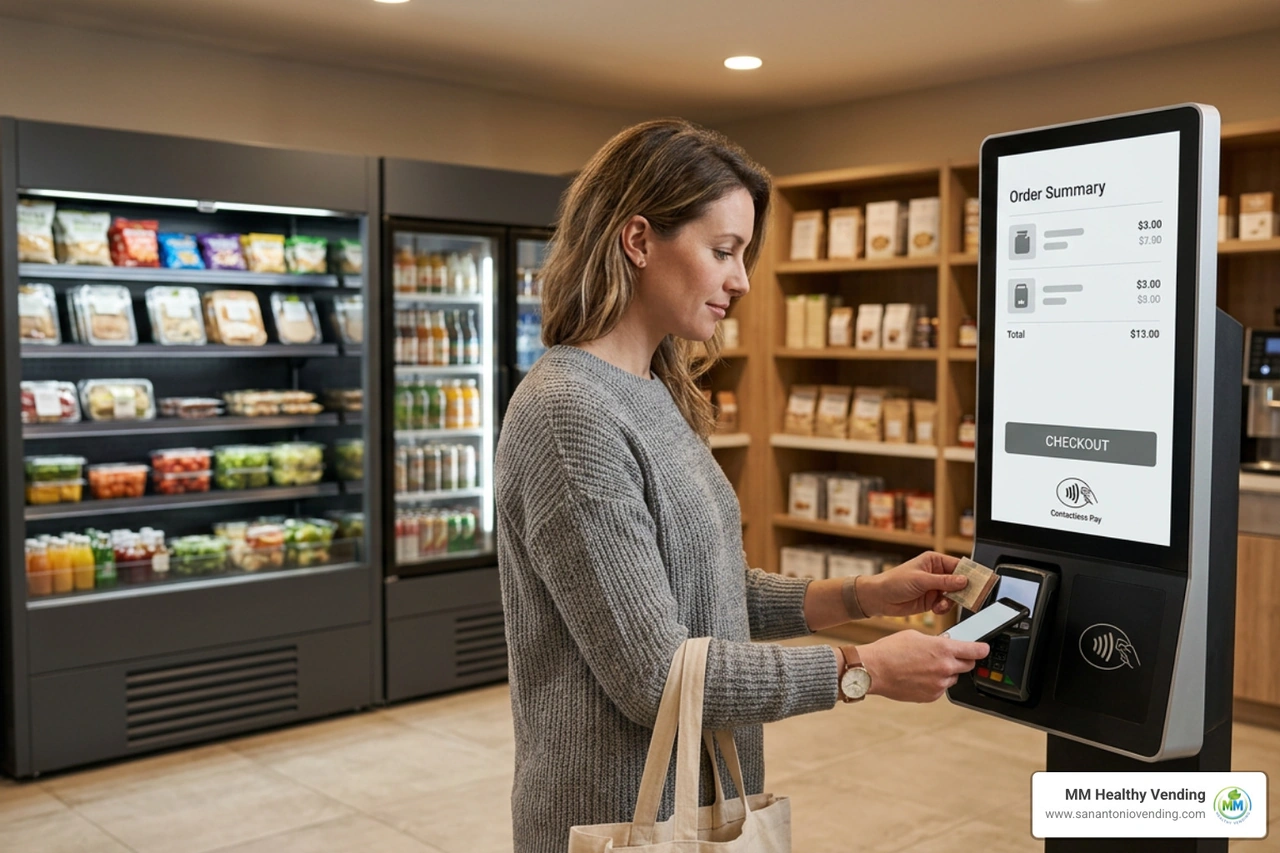
- Payment Processing Fees: Cashless card swipes, NFC taps (Apple Pay, Google Wallet), and mobile app transactions carry merchant gateway and interchange fees typically ranging from 2% to 5% per transaction.
- Initial Inventory Allocation: Filling a 400-item smart cooler with high-quality, premium beverages, fresh salads, artisan sandwiches, and healthy snacks requires an initial working capital investment of $1,000 to $3,000 per machine.
- Preventative Maintenance and Sanitization: Commercial refrigeration requires quarterly condenser coil cleaning, gasket inspections, sensor calibrations, and internal deep-cleaning to comply with health codes, running $500 to $1,500 annually.
- Compliance and Electrical Certifications: High-volume commercial environments require machinery that holds rigorous safety listings such as UL or ETL certification.
Smart Automation vs Traditional Units: Is the Premium Justified?

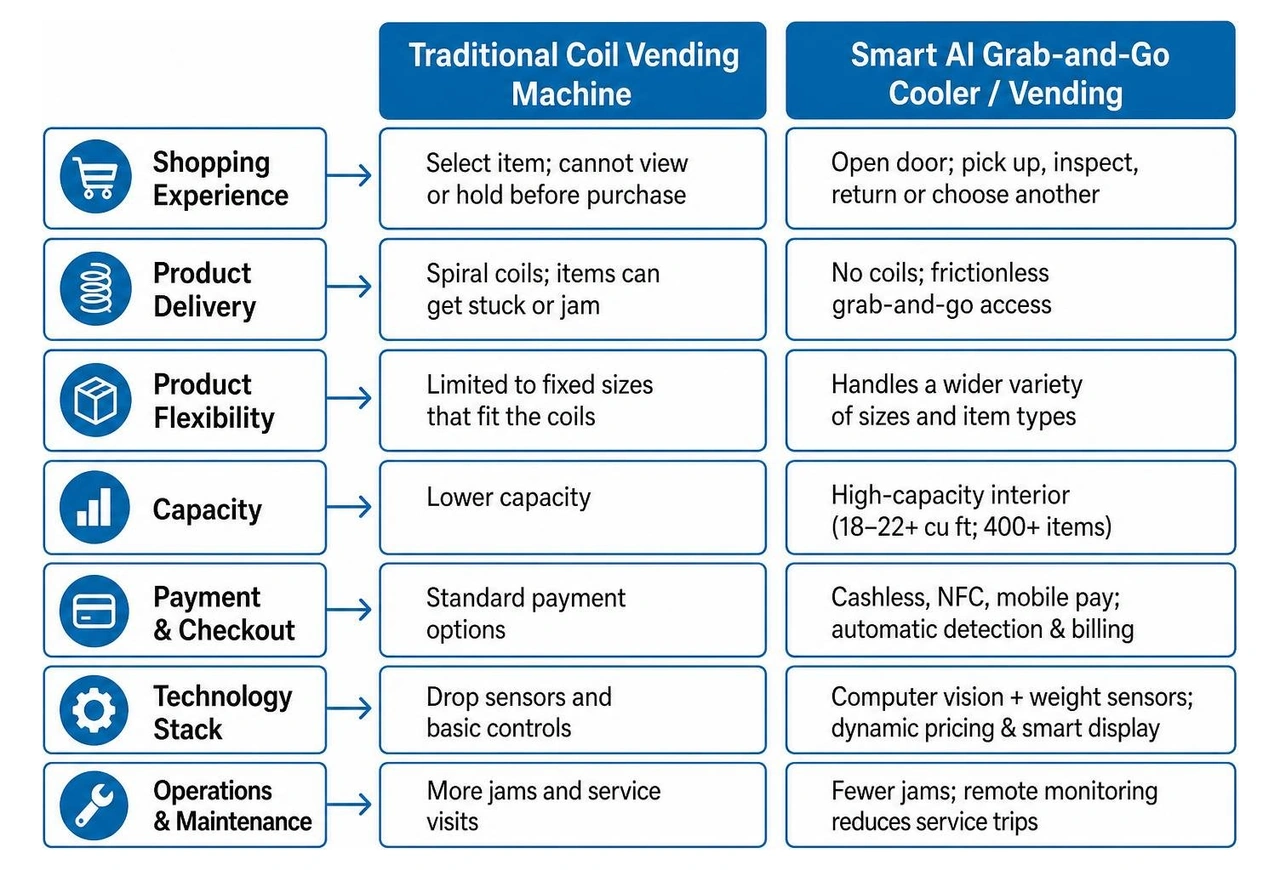
At first glance, a traditional coil vending machine priced between $3,000 and $5,000 looks like the cheaper option. But standard drop-sensor spiral machines come with structural limitations: items get stuck on coils, product sizes are restricted to rigid dimensions, and customers cannot hold an item before buying.
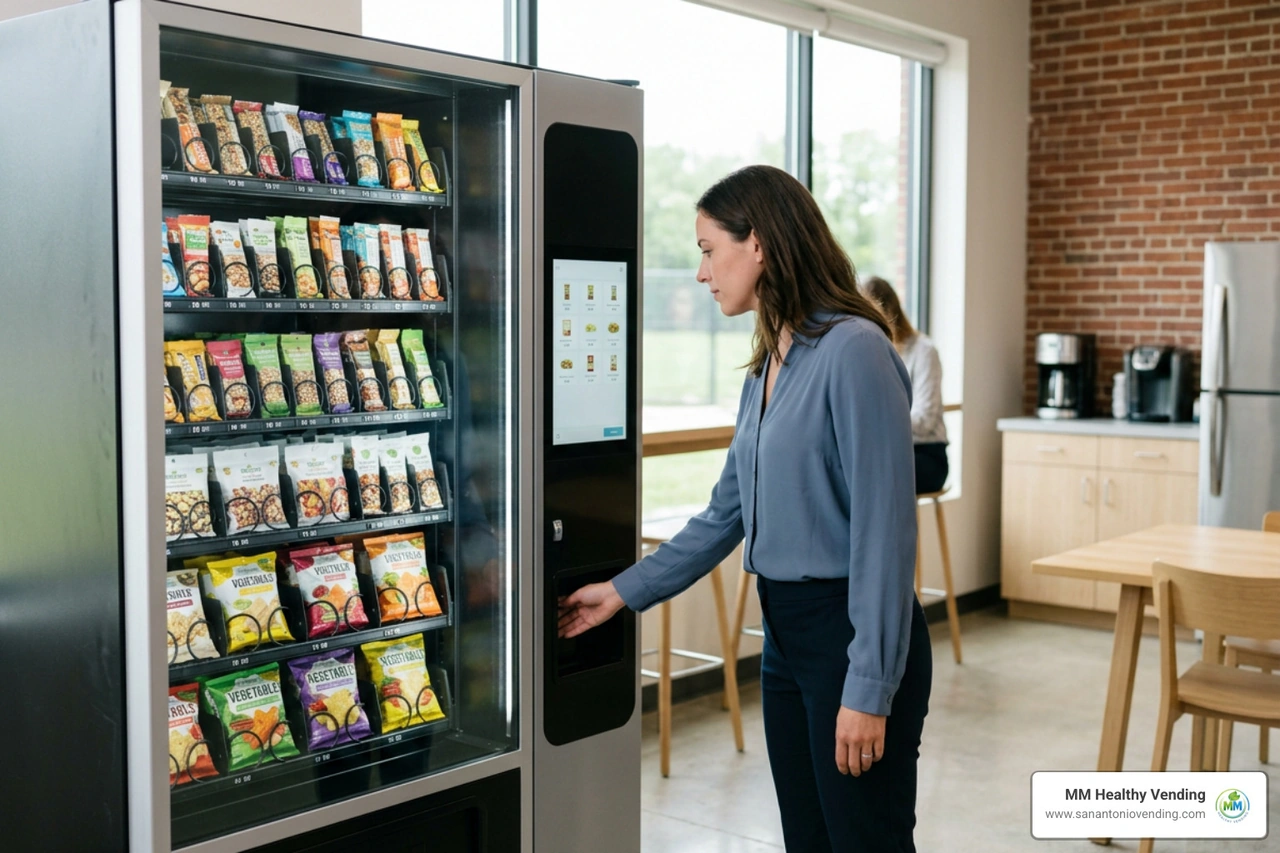
Smart automated systems eliminate mechanical jams completely because there are no spinning coils. Customers enjoy a frictionless "grab-and-go" shopping experience similar to opening a home refrigerator.
How Does 24 Hour Smart Vending Machine Cost Compare to Traditional Units?
The choice between traditional coil systems and AI-enabled platforms shifts your entire operating model. While traditional coil vending equipment requires less capital upfront, smart platforms unlock significantly higher average ticket sizes and dramatically reduce wasted service trips.
| Feature / Expense Category | Traditional Coil Machine | Smart AI Cooler / Vending |
|---|---|---|
| Upfront Purchase Price | $3,000 – $6,000 | $5,000 – $18,000+ |
| Setup & Initial Delivery | $300 – $800 | $500 – $1,500 |
| Monthly Software / Telemetry | $0 – $20 (Basic MDB reader) | $50 – $200 (Cloud platform) |
| Dispensing Mechanism | Mechanical coils / drops | Unlocked grab-and-go / Sensors |
| Product Versatility | Rigid cans & bagged snacks | Fresh meals, salads, drinks, fruit |
| Average Ticket Value | $1.50 – $2.50 | $4.50 – $12.00+ |
| Restocking Efficiency | Guesswork / Fixed schedules | Live remote telemetry alerts |
| Typical Payback Timeline | 6 to 14 months | 5 to 12 months (High traffic) |
The Revenue Lift from 24/7 Cashless and AI Features
The real reason companies invest in self-service vending machines with smart technology is revenue expansion. In standard vending, a customer buys one single-serve bag of chips for $1.75. In a smart grab-and-go cooler, that same customer can open the door, grab an iced cold-brew coffee, a fresh turkey wrap, and a protein snack, walking away with a $12.50 transaction.
Real-time telemetry lets you monitor inventory levels down to the exact SKU from your smartphone or laptop. Instead of sending a technician to check empty spirals, service trips happen only when the machine actually needs restocked. This eliminates wasted fuel and cuts labor overhead by up to 30%.
Maximizing ROI: High-Performing Locations and Payback Timelines
Deploying smart vending hardware is fundamentally a game of real estate and dwell time. A $12,000 smart machine sitting in an empty hallway will struggle, but that same machine in an active 24-hour facility can pay for itself in under a year.
Facilities with around-the-clock shift workers—such as logistics warehouses, emergency rooms, manufacturing plants, and residential towers—are ideal environments. In these locations, our installations often generate between $80 and $150+ in daily revenue, allowing operators to achieve a full return on capital in 5 to 12 months.
When a location requires an even wider variety of fresh foods, specialty drinks, and pantry snacks than a single unit can hold, facilities frequently upgrade to onsite micro markets to serve hundreds of employees simultaneously.
Strategic Foot Traffic and Product Mix Selection
To hit top-tier revenue numbers, stock products that match your specific audience:
- Healthcare Facilities & ER Waiting Rooms: Nutritious meal bowls, cold-pressed juices, functional energy drinks, and premium espresso cans for staff working 12-hour overnight shifts.
- Fitness Centers & Athletic Clubs: RTD whey protein shakes, electrolyte recovery beverages, clean-label energy bars, and pre-workout drinks.
- Corporate Centers & Logistics Hubs: Sandwiches, wraps, sparkling water, kombucha, and traditional comfort snacks.
Keeping inventory fresh and optimizing margins requires ongoing commercial vending machine service. Rotating the bottom 15% of underperforming SKUs every 30 days keeps regular patrons engaged and helps maintain gross profit margins between 40% and 55%.
Financing Models and Zero-CapEx Placement Alternatives
If your company wants to modernize its breakroom amenities without spending $8,000 to $15,000 upfront per machine, you have a few ways to structure the rollout:
- Equipment Leasing: Spread the cost over a 24- to 48-month term. Monthly payments typically range from $175 to $350 per machine, preserving your cash for day-to-day operations.
- Capital Purchase: Buy the machine outright to eliminate monthly financing interest, keeping 100% of the net operational revenue.
- Turnkey Placement Programs: For many businesses across San Antonio TX, New Braunfels TX, Boerne TX, Schertz TX, Seguin TX, Helotes TX, Alamo Heights TX, and Southside TX, the easiest path is our managed program. Through our zero cost AI coolers in San Antonio, we provide, install, stock, and maintain the smart machines at no cost to your organization, backed by our rapid 2-hour local support.
Frequently Asked Questions About 24/7 Smart Vending
What certifications are required for commercial smart vending machines?
Commercial machines must carry recognized electrical safety certifications like UL (Underwriters Laboratories) or ETL (Intertek) to comply with municipal building and fire safety codes. In addition, internal cooling systems must meet NSF/ANSI sanitation standards for storing perishable foods, while payment terminals require FCC and PCI-DSS compliance for secure cashless processing.
How long does it realistically take to break even on a smart vending machine?
In high-traffic 24/7 locations (such as distribution centers, hospitals, and busy fitness centers) generating $80 to $150 daily, machines typically hit a full return on investment within 5 to 12 months. In lower-traffic office breakrooms generating $40 to $60 daily, the payback timeline generally extends to 14 to 20 months.
What ongoing maintenance do refrigerated smart machines require?
Refrigerated smart machines need monthly dust removal from condenser coils, visual inspections of door gaskets, and regular firmware updates. Because these units rely on cloud connectivity for payment authorization and inventory monitoring, technicians should also verify cellular signal strength and calibrate load sensors quarterly.
Conclusion: Transforming Refreshment Without the Capital Burden
Upgrading to smart 24-hour vending delivers modern convenience: it eliminates product jams, enables simple cashless purchasing, tracks inventory in real time, and lets you offer fresh, healthy meals alongside drinks and snacks. While the initial hardware price tag is higher than older mechanical machines, the increased ticket sizes and automated restocking tools make smart vending a far more efficient, higher-margin setup.
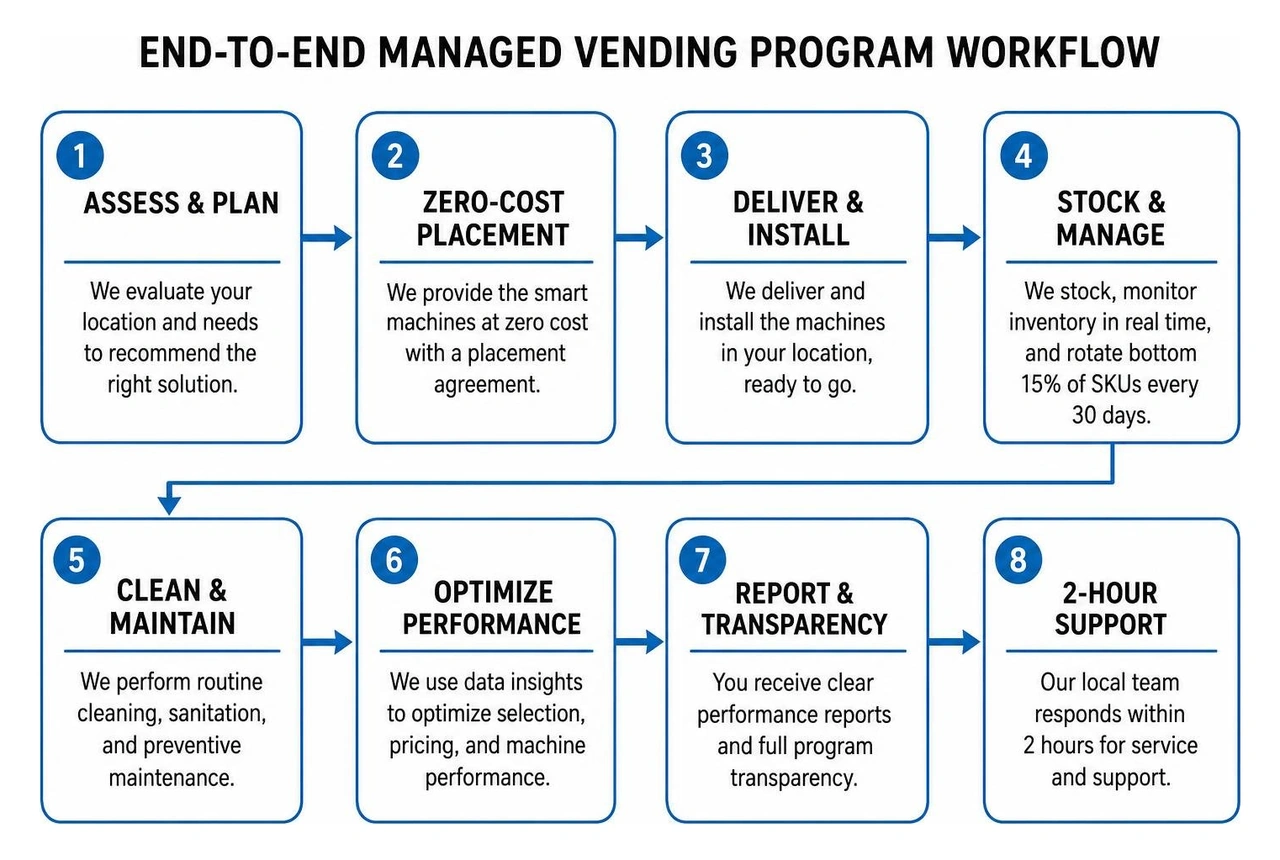
At MM Healthy Vending, we take the hassle and capital expense off your shoulders. We provide cutting-edge automated vending machines, micro markets, and AI-powered coolers to qualified facilities across Texas—including San Antonio, Boerne, New Braunfels, Schertz, and Alamo Heights—at zero cost to your organization. We manage delivery, stocking, continuous sanitation, and routine service, all backed by our industry-leading 2-hour local support response.
Ready to upgrade your breakroom or facility with zero upfront investment? Explore fully managed AI smart coolers from MM Healthy Vending today!
You might also like...
More articles like the one you've read to keep you up-to-date on all things vending in San Antonio
Why San Antonio businesses choose us
Premium service, local expertise, cutting-edge technology
AI-powered smart coolers
Advanced computer vision technology for seamless, cashless transactions. Just grab what you need and go.
cashless
24/7 service
Round-the-clock support with an average 2-hour response time for any issues.
Local & trusted
Family-owned business proudly serving San Antonio since 2024
Ready to upgrade your breakroom?
Join hundreds of San Antonio businesses enjoying free, premium vending soutions