
A Quick Start Guide to Snack Vending Machines
Learn how a modern snack vending machine works on campus, from mobile payments and pricing to regulations and healthy options.
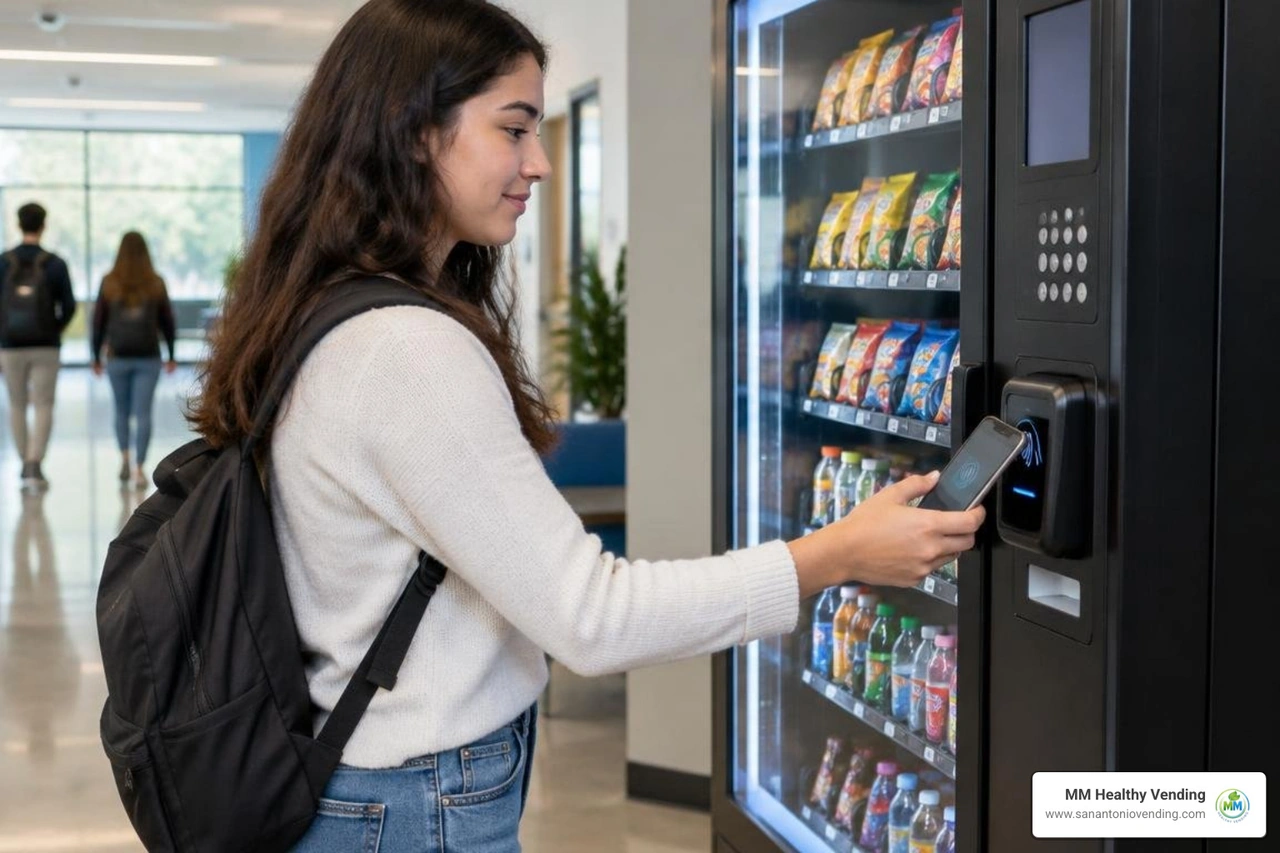
Modern Snack Vending Machine Payment Systems and Campus Tech
Setting up and operating a modern snack vending machine starts with three essentials: telemetry that tracks inventory and machine health in real time, payment systems that accept campus cards, mobile wallets, and cash, and a clear process for handling refunds when a vend fails. As of October 2026, modern hardware relies heavily on smart snack vending technology, integrating telemetry units that monitor inventory levels and machine health in real time. Whether placed in an academic building, breakroom, or residence hall, automated retail requires fast, frictionless transactions. Telemetry allows operators to see when a specific coil is jammed or when inventory runs low, preventing out-of-stock displays and lost sales.
How a Modern Snack Vending Machine Integrates Campus Cards and Mobile Wallets
When students or employees walk up to grab a bite, they expect flexible payment channels. Modern systems support a multi-tiered payment architecture:
- Closed-Loop Campus Cards: Many institutional environments utilize closed-loop smart cards (such as student IDs tied to dedicated campus accounts). Dedicated physical cash-to-card stations or online portals allow users to reload these balances effortlessly.
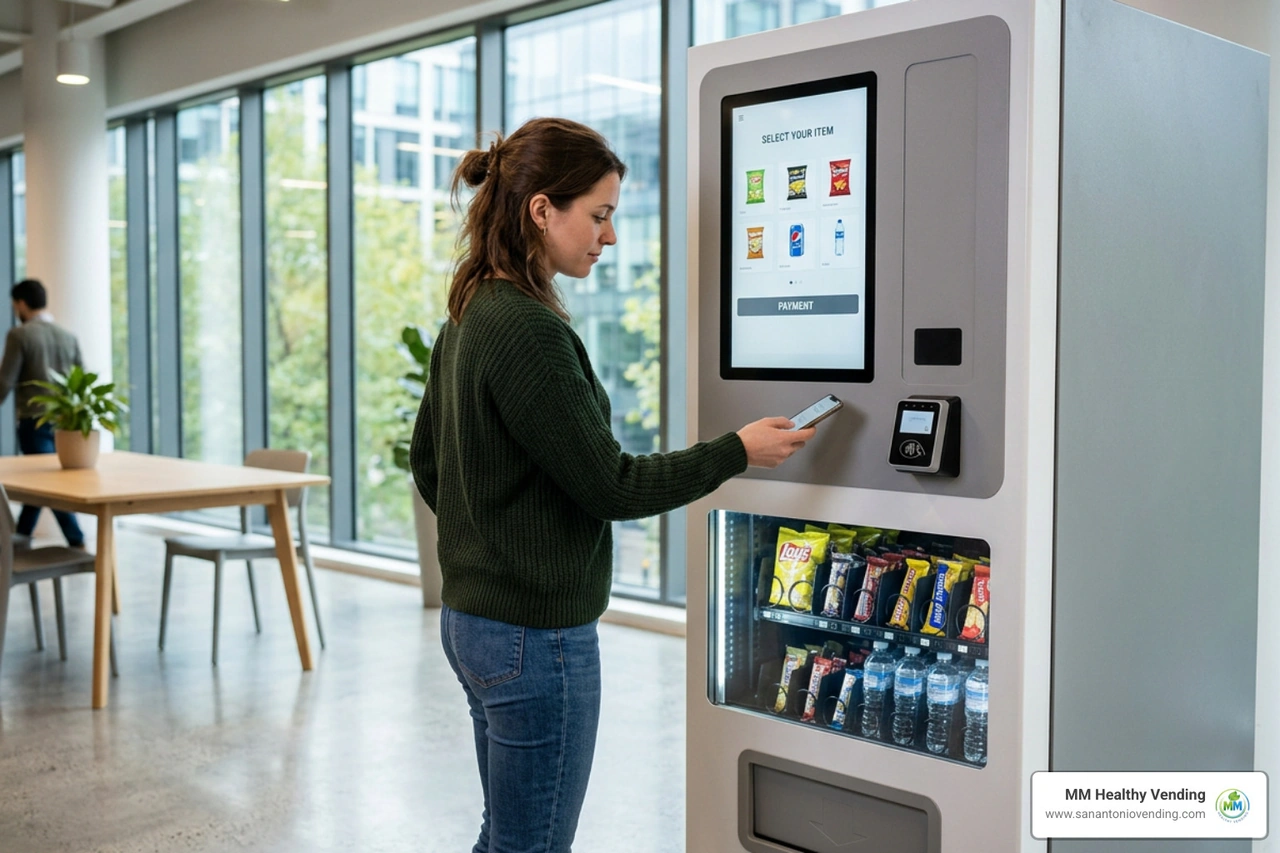
- Contactless Mobile Wallets: Near-field communication (NFC) readers accept Apple Pay, Google Pay, and Samsung Pay with a quick tap of a phone or smartwatch.
- Standard Credit and Debit Cards: Chip-enabled and tap-to-pay card readers process traditional bank cards securely.
- Cash Validation: High-grade bill acceptors and coin mechanisms still provide an essential fallback for cash-preferred customers.
By combining cashless convenience with legacy hardware, automated refreshment stations keep lines moving during five-minute class breaks and busy shift changes.
Troubleshooting Malfunctions and Campus Refund Protocols
Even the most dependable machines encounter occasional misfires, such as a drop sensor glitch or a spiral that fails to turn fully. When an item gets stuck, clear support channels prevent customer frustration.

To handle issues smoothly, organizations should follow structured refund and maintenance protocols:
- Check Drop Sensors: Modern machines use internal infrared beam sensors; if the item does not drop into the collection bin, the system automatically voids the transaction or allows a secondary selection.
- Display Support Contact Details: Every unit should feature visible contact details, including a direct support phone number, an email address, and a QR code linking to an online refund request portal.
- Submit Digital Refund Requests: Users experiencing a failed vend note the machine identifier, time, and purchased item to receive an instant electronic credit or campus account adjustment.
- Dispatch Local Maintenance: Facility managers rely on dedicated service teams to clear mechanical jams promptly. For instance, our team provides 2-hour local support across our service territories to keep hardware operating at peak efficiency.
Campus Snack Pricing, Contracts, and Student-Led Alternatives
Vending economics depend on wholesale procurement, restocking logistics, utility costs, and institutional commissions. Understanding these underlying costs helps explain modern vending machine pricing trends across institutional facilities.
The Financial Impact of Exclusive University Vendor Contracts
Higher education facilities and large corporate facilities often sign exclusive supplier agreements. Under these long-term contracts, a single operator manages all automated retail across the property. While these agreements simplify administration for the institution, they can sometimes limit competition.
When commissions and operational overhead run high, operators may adjust shelf pricing to balance their margins. For instance, popular options like a 5-ounce bag of gummy candy can reach $3.75 in campus machines, carrying gross margins around 40%. For budget-conscious students relying on late-night bites during study sessions, these price points can add up quickly over a semester.
Student Snack Preferences and Price Resistance
When traditional machine pricing climbs too high, consumers encounter price resistance and look for more affordable everyday choices.
However, convenience remains king. When vending operators stock a well-balanced mix of affordable staples, sweet treats, and popular packaged snack varieties, daily volume stays steady. The secret lies in pricing items fairly while offering a mix of familiar indulgences and wholesome alternatives. Operators who monitor sales data from telemetry can adjust product mixes and price points to match student demand without sacrificing margin.
Regulatory Compliance: Licensing, Taxes, and Food Safety Standards
Operating automated food equipment involves more than just plugging in a refrigerator. Operators must navigate local tax requirements, food safety standards, and commercial licensing guidelines.
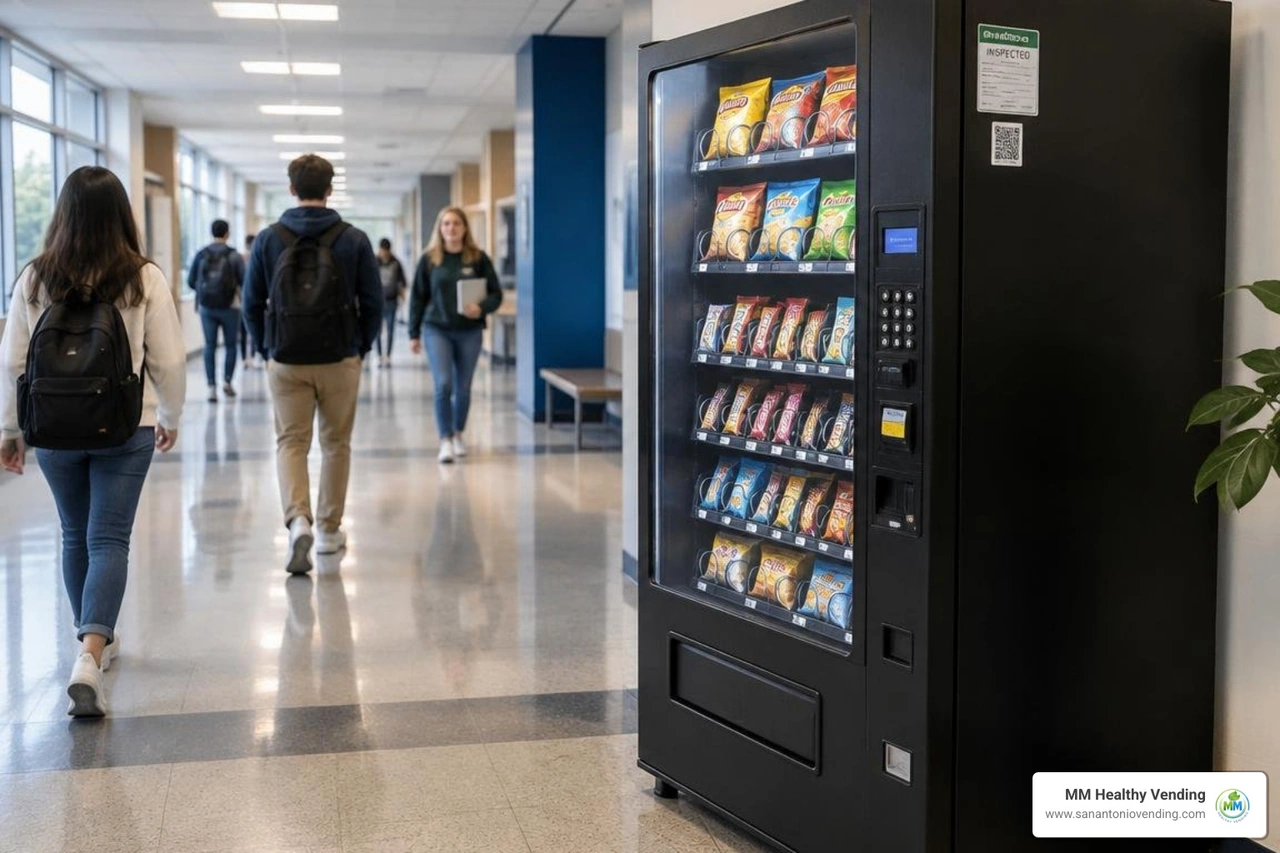
State Tax and Licensing Rules for Every Snack Vending Machine
Tax codes treat automated food sales with varying rules depending on the jurisdiction and venue:
- Taxable vs. Non-Taxable Items: In many jurisdictions, packaged snacks sold through automated retail are classified under prepared food or meal tax rules, making them taxable even if identical items purchased in a grocery store are exempt. In states like Vermont, for example, a 7% Meals and Rooms Tax (plus applicable 1% local option taxes) applies to items like candy and chips unless specific exemptions exist for venues like public schools or government buildings.
- Tax-Inclusive Signage: Regulations frequently require operators to post clear signage stating that all listed prices include applicable local and state sales taxes.
- Permit Tiers and Bureau Systems: Licensing rules also dictate operational procedures. In states like Iowa, for example, the Department of Inspections, Appeals, and Licensing (which launched its updated SAFHER system in October 2026) charges tiered licensing fees—such as $50 for an initial machine and $10 for each extra machine—specifically targeting units dispensing perishable goods.
- Public Health Dispensation: Innovative deployments go beyond traditional retail. Public health vending machines (PHVMs) dispensing harm-reduction supplies like naloxone have demonstrated substantial community benefits, significantly lowering accidental overdose fatalities in high-risk zones (Allen et al., 2022).
Unattended Food Establishments vs. Traditional Vending Operations
Food safety regulations draw a sharp legal line between sealed, shelf-stable dispensers and open micro market concepts.
| Operational Feature | Traditional Snack Machine | Unattended Food Establishment (Micro Market) |
|---|---|---|
| Product Profile | Pre-packaged, shelf-stable snacks (chips, pretzels, candy). | Fresh sandwiches, dairy products, salads, cut fruit. |
| Temperature Controls | Ambient or standard internal cooling. | Automatic health-lock cooling systems for perishables. |
| Licensing Tier | Basic retail permit; often exempt from routine inspection if strictly non-perishable. | Specialized food establishment license with formal plan reviews. |
| Facility Access | Public hallways, lobbies, campus corridors. | Controlled-access employee breakrooms or secure corporate hubs. |
Whether you are deploying traditional vending equipment or exploring an open micro market, ensuring full health code compliance protects both your facility and your consumers.
Beyond Snacks: Healthy Options in Vending
Workplace culture and campus wellness initiatives have driven a massive shift toward health-conscious snacking. Today’s consumers want fuel that supports sustained focus throughout busy workdays and late-night study sessions.

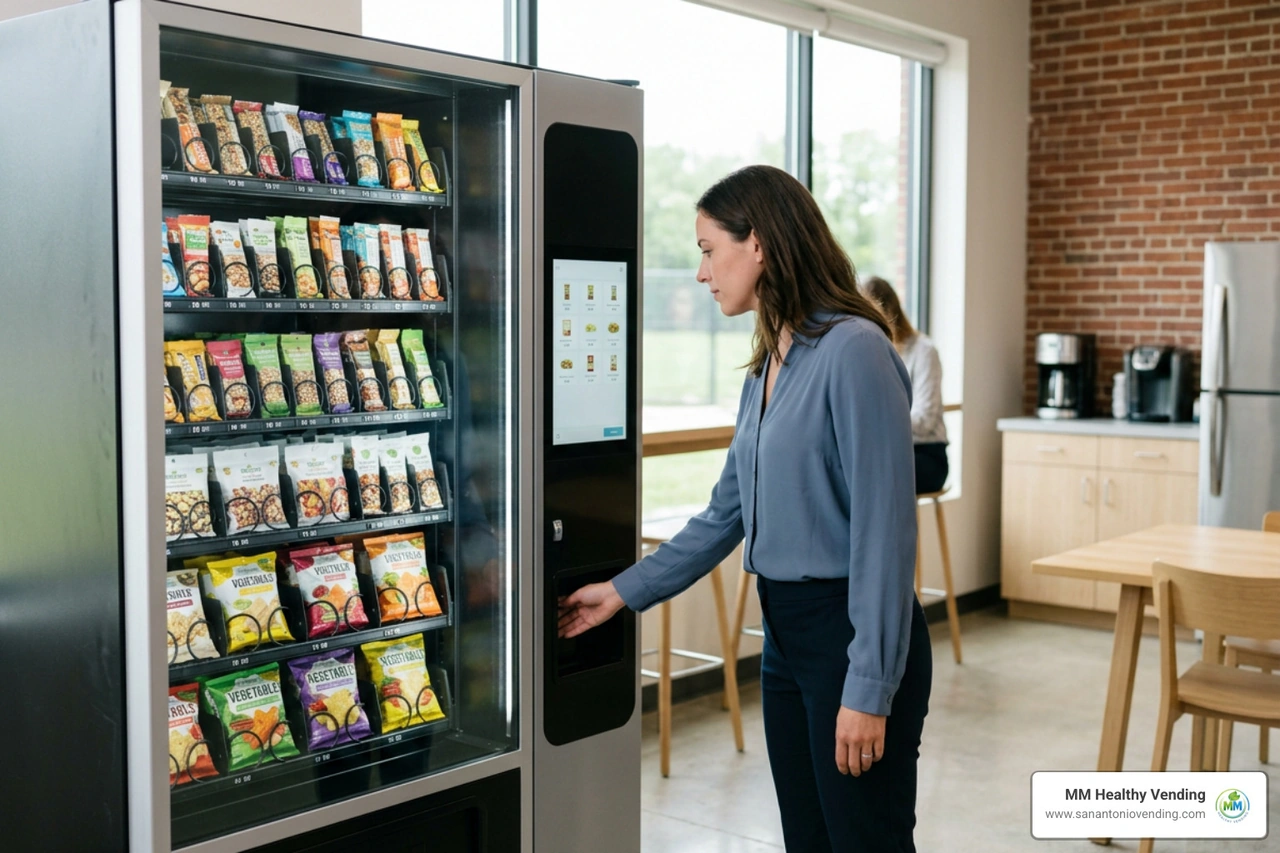
Stocking healthy snack vending machine options—such as baked crisps, low-sugar protein bars, raw nut blends, dried fruit, and sparkling water—gives people wholesome alternatives without sacrificing convenience. Balancing everyday favorites with nutritious choices ensures your breakroom appeals to every palate and dietary requirement. Operators can use telemetry data to track which healthy items sell fastest and adjust product menus accordingly, keeping wellness-focused options fresh and relevant.
Frequently Asked Questions About Snack Vending Machines
What payment methods are accepted at modern campus vending machines?
Modern campus setups typically support cash, major credit and debit cards, contactless mobile wallets (Apple Pay, Google Pay, Samsung Pay), and closed-loop campus ID card accounts loaded with institutional funds.
Do vending machines selling non-perishable snacks require food safety inspections?
In many regions, machines stocking only pre-packaged, shelf-stable snacks (like chips, candy, and crackers) are exempt from routine health inspections, operating under basic retail permits unless a consumer complaint is submitted. Conversely, machines holding temperature-sensitive, perishable items must undergo formal plan reviews and health inspections.
How can vending machines offer healthier snack options?
Operators can program customized product menus featuring non-GMO snacks, gluten-free choices, high-protein bars, whole-grain chips, and low-calorie beverages alongside traditional staples, ensuring wellness-focused individuals have plenty of quick choices.
What should I do if a snack vending machine takes my money but does not dispense an item?
First, check the machine for a visible support phone number, email address, or QR code. Most modern machines have internal drop sensors that automatically void failed transactions, but if a charge still appears, submit a digital refund request with the machine identifier, time, and item purchased. Campus operators typically issue an electronic credit or account adjustment within a few business days.
Conclusion
A dependable refreshment program keeps students energized, improves workplace morale, and eliminates unnecessary off-site snack runs. By combining modern contactless payments, transparent pricing, and health-conscious product options, automated retail delivers unmatched daily convenience.
At MM Healthy Vending, we deliver zero-cost snack, beverage, and fresh food setups backed by responsive 2-hour local support across San Antonio, New Braunfels, Boerne, Schertz, Seguin, Helotes, and Alamo Heights. Explore our managed vending and micro market services today to upgrade your breakroom with modern hardware at zero cost to your organization.
Allen ST, O'Rourke A, Johnson JA, Cheatom C, Zhang Y, Delise B, Watkins K, Reich K, Reich R, Lockett C. "Evaluating the impact of naloxone dispensation at public health vending machines in Clark County, Nevada.." Annals of medicine, 2022. PMID 36168975.
You might also like...
More articles like the one you've read to keep you up-to-date on all things vending in San Antonio

Why San Antonio businesses choose us
Premium service, local expertise, cutting-edge technology
AI-powered smart coolers
Advanced computer vision technology for seamless, cashless transactions. Just grab what you need and go.
cashless
24/7 service
Round-the-clock support with an average 2-hour response time for any issues.
Local & trusted
Family-owned business proudly serving San Antonio since 2024
Ready to upgrade your breakroom?
Join hundreds of San Antonio businesses enjoying free, premium vending soutions