
Revamp Your Office with a Full-Service Breakroom
A full-service breakroom is exactly what it sounds like: a managed, stocked, and maintained space within your office providing food, beverages, and supplies directly to employees.

A full-service breakroom is exactly what it sounds like: a managed, stocked, and maintained space within your office providing food, beverages, and supplies directly to employees. Instead of relying on an office manager to purchase coffee pods and stock a mini-fridge manually, you partner with a specialized vendor. This vendor installs self-checkout kiosks, commercial-grade coffee machines, and open-shelf pantry systems. They monitor inventory remotely and restock everything automatically on a regular schedule.
This setup transforms a basic room featuring a microwave into a functional space where people can eat a real meal, take a mental break, and collaborate without leaving the building. Upgrading from a standard kitchen to a fully managed refreshment hub requires careful planning, layout adjustments, and a clear budget. This guide provides actionable steps to help you execute a seamless transition, ensuring your new space meets the daily demands of a busy workforce.
To understand how to proceed, you must look at the specific elements defining a modern setup. It demands much more than buying a new refrigerator and adding a few snack baskets to a countertop.
Managed Inventory and Restocking
In a standard setup, office staff manually track what gets eaten. In a full-service model, inventory management rests entirely on the vendor. The vendor utilizes telemetry and smart kiosks connected via cellular networks to track purchases and consumption in real time. Because they know exactly what sells, they bring precisely what your office needs on their delivery days. You never have to worry about running out of milk, dealing with expired yogurt, or guessing which snack bars your team prefers.
Quality Food and Beverage Options
Traditional vending machines offer limited, heavily processed items wrapped in plastic. Modern, managed environments feature open glass coolers and custom racks holding fresh salads, wraps, fresh fruit, and protein packs. You can essentially provide a deli experience right down the hall from the desks. Employees gain access to wholesome ingredients, keeping energy levels steady throughout the afternoon. Providing varied, fresh food elevates the entire employee experience above the standard stale chips and candy bars.
Upgraded Equipment and Maintenance
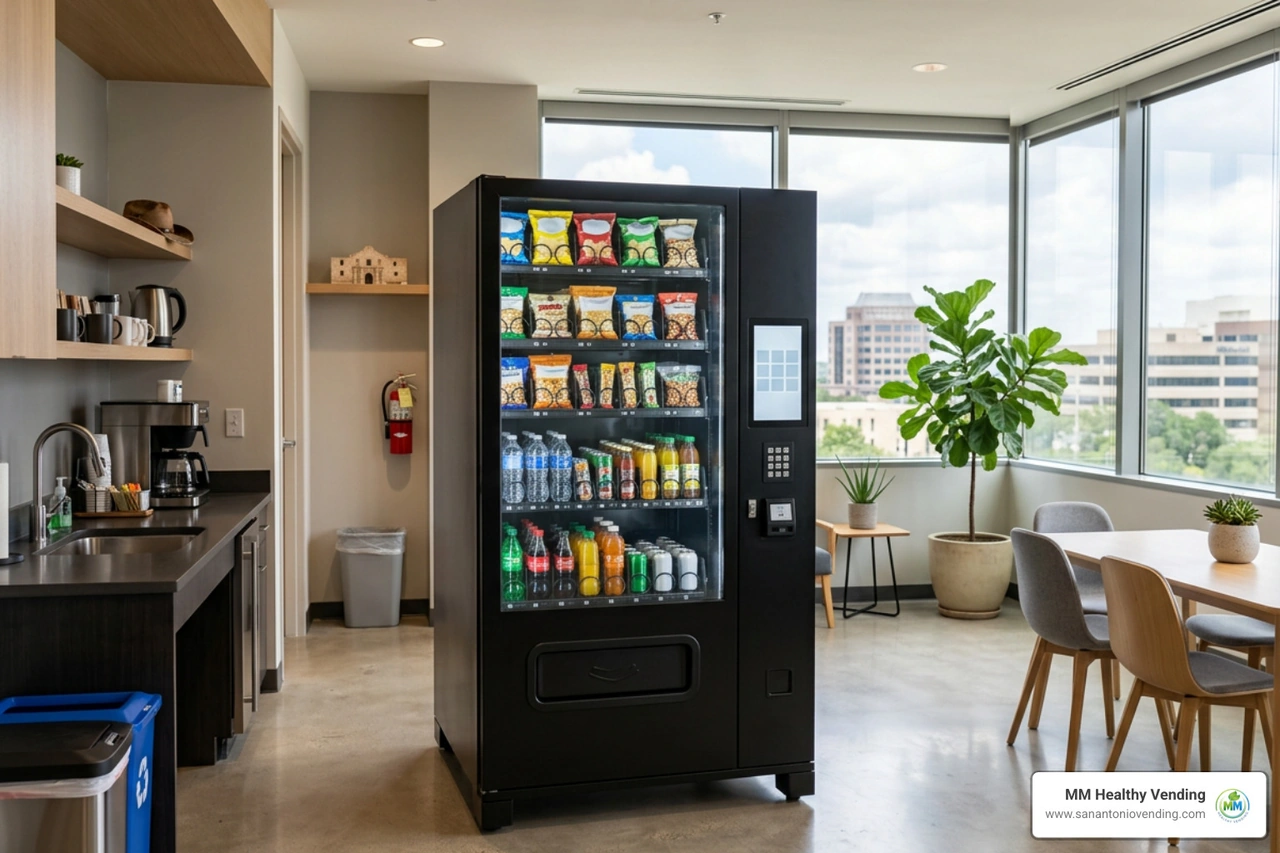
When you upgrade to this model, the supplier typically installs and leases commercial-grade equipment to your facility. This includes premium glass-front refrigerators, high-capacity brewers, and interactive touch-screen checkout terminals. Furthermore, if a machine stops working properly, the vendor takes complete responsibility. They dispatch a technician to troubleshoot and fix the hardware. Your internal IT and facilities teams do not have to waste valuable time trying to repair a malfunctioning espresso maker or a jammed card reader.
Practical Benefits for Your Team's Daily Routine
Upgrading this area fundamentally changes how your building functions on a daily basis. Staff members interact with the pantry multiple times a day, meaning improvements here yield immediate, visible results.
Keeping People On-Site Comfortably
When a building lacks decent food options, people leave the premises to find lunch or a quality iced coffee. Leaving the property takes time and disrupts the workflow. By providing top-tier sandwiches and specialty drinks directly in the office, employees can quickly gather what they need. They gain more downtime to actually relax, rather than spending their entire lunch hour driving through traffic or waiting in a long line at a busy local cafe.
Accommodating Different Dietary Needs
Modern workforces have highly diverse dietary requirements and preferences. A standard, bulk-purchased snack box rarely accommodates everyone. A managed pantry allows you to easily stock gluten-free, dairy-free, vegetarian, and keto-friendly products alongside standard fare. Dedicated vendors label these items clearly on their shelving. Everyone finds something safe and enjoyable to eat, fostering a more inclusive and thoughtful workplace environment.
Easing the Administrative Burden
Office managers often spend countless hours each week driving to bulk stores, hauling heavy boxes, tracking expenses, and organizing cabinets. A full-service arrangement completely eliminates this heavy lifting. Administrative professionals can then redirect their time to meaningful culture-building tasks, employee onboarding, and broader daily operations. They escape the tedious chore of scrubbing coffee pots, unpacking boxes of water, and managing petty cash for grocery runs.
Designing the Physical Layout for Flow and Function
Throwing new coolers into an old room often causes immediate logistical problems. You need to plan the layout carefully to prevent bottlenecks, accommodate the new equipment, and create a genuinely comfortable atmosphere.
Creating Distinct Zones
A well-designed room naturally separates different activities. Establish a clear "kitchen zone" for food preparation, purchasing at the kiosk, and brewing coffee. Create a "dining zone" featuring traditional tables and chairs for eating meals. Finally, set up a "lounge zone" equipped with softer seating for informal meetings or quiet mental breaks. Delineating these spaces helps the room serve multiple purposes simultaneously without feeling cramped or chaotic.
Traffic Flow and Appliance Placement
Watch how people move through your current kitchen layout. Bottlenecks usually form around the coffee maker and the microwave during the peak morning and lunch hours. Keep these two critical appliances physically far apart from one another. Place the payment kiosk in a central area boasting plenty of standing room. Proper spacing allows one person to wait for their lunch to heat up while another pays for a drink, without bumping into each other or blocking the exit.
Comfortable Seating Configurations
Basic folding chairs and bare tables will not encourage anyone to stick around or collaborate. Opt for a diverse mix of seating options. High-top tables work perfectly for quick espresso breaks or standing conversations between meetings. Traditional cafe tables suit people sitting down to eat a full meal. Booth seating or modular soft couches provide a comfortable, semi-private spot for a quick one-on-one meeting or a moment of quiet focus away from the main desk area.
Coffee and Beverage Systems: The Core Component
Beverages remain the most frequently used part of any office kitchen. Upgrading your drink offerings significantly impacts daily satisfaction and serves as the anchor of the newly revamped space.
Bean-to-Cup Machines
Drip coffee sitting on a heated warmer for hours quickly degrades in flavor. Modern bean-to-cup machines solve this problem by grinding fresh beans for every single cup. Users step up to a touchscreen to select customized options like lattes, cappuccinos, or flat whites. These machines require initial plumbing and electrical line work, but they deliver an authentic coffee-shop experience that staff genuinely appreciate and use constantly.
Draft Systems and Cold Options
Cold drinks have become increasingly popular year-round, surpassing hot coffee in many modern offices. High-end vendors now offer kegerators dispensing cold brew coffee, kombucha, or flavored sparkling water directly on tap. These draft systems drastically reduce the amount of single-use plastic bottles entering your waste stream. They provide a unique, premium perk that stands out to both current employees and visiting clients taking a tour of your office.
Water Filtration Fundamentals
Never overlook basic, high-quality hydration. Standard municipal tap water often tastes metallic or contains minor impurities. Integrating a commercial-grade water filtration system encourages people to drink more water throughout the day. Modern dispensers offer hot, cold, and ambient temperatures at the push of a button. Several models even carbonate the water internally, providing endless sparkling water without the environmental footprint of supplying thousands of aluminum cans.
Choosing the Right Vendor for Your Needs
The long-term success of your new pantry depends directly on the partner you select. Treat this vendor search precisely like any major operational contract, asking specific questions about their capabilities.
Assessing Technology and Payment Systems
Look closely at the user interface of the vendor's checkout kiosk. It must be highly intuitive and fast. Check if they offer a dedicated mobile app for completely touchless checkout. Staff should seamlessly scan an item, pay with a stored credit card or digital wallet, and walk away within seconds. Cumbersome, slow, or glitchy payment processes reliably lead to intense frustration and lower overall utilization of the space.
Evaluating the Menu and Flexibility
Ask potential vendors to provide a complete, current product catalog. A capable partner offers hundreds of brand names and fresh choices. Ask detailed questions about their rotation schedules. If they just drop off the exact same ten items every single week, your team will quickly experience menu fatigue. The vendor must track slow-moving products and proactively suggest new, trending items to keep the daily selection interesting and appealing.
Understanding Service Cadence
Determine exactly how often the supplier will physically visit your building. Busy corporate offices might require daily restocking, inventory checks, and cleaning. Smaller setups might only need twice-a-week visits to maintain optimal stock levels. Clarify the maintenance responsibilities clearly in writing. You must know if the vendor wipes down the counters and flushes the espresso milk lines, or if your internal janitorial staff must handle those specific daily chores.
Budgeting and Financial Models
You possess several distinct ways to structure the financials for this upgrade. The right model depends heavily on your company's broader human resources strategy, benefit plans, and available operational budget.
Fully Subsidized Setups
In a fully subsidized model, the company pays for absolutely everything. Employees grab whatever food or drink they want entirely for free. The vendor simply tracks the data and sends a consolidated monthly invoice based on the exact items consumed. This acts as a massive cultural perk, significantly driving high office attendance. It does, however, require a robust and predictable budget, as consumption can spike unexpectedly during busy periods.
Partially Subsidized vs. Market Pricing
If a free-for-all exceeds your financial constraints, consider a partially subsidized approach. You might cover the complete cost of all coffee, tea, and fresh fruit, but charge employees a reduced rate for premium salads, sandwiches, and energy drinks. Alternatively, you can run a pure market-pricing model. The company pays nothing for the food inventory itself; employees pay full retail price at the kiosk. The company only covers the electricity, water, and the square footage of the room.
Employee Stipends and ID Card Integration
A fantastic middle ground involves offering a monthly allowance. Many kiosk systems integrate directly with employee security badges. The company can load fifty dollars onto each employee's account at the start of the month. Employees swipe their badge to buy lunch until the allowance runs out, after which they use their personal credit cards. This provides a generous benefit while rigidly capping the maximum monthly cost to the employer.
Hidden Costs to Watch Out For
Beyond the food and the equipment leasing fees, account for initial facility upgrades. Adding three commercial glass-door fridges and two heavy-duty microwaves will likely trip your current circuit breakers. You will probably need an electrician to pull new, dedicated power lines to the room. You might additionally need a plumber to run a dedicated water line to the new ice maker and espresso machine. Always budget for these infrastructure updates well in advance to avoid last-minute surprises.
Prioritizing Sustainability and Waste Management
A high-traffic eating area naturally generates a considerable amount of packaging and food waste. Managing this output responsibly is crucial for modern facilities and helps maintain a clean environment.
Integrating Proper Recycling Stations
Do not build a beautiful new pantry and then throw a standard plastic trash can in the corner. Design built-in waste sorting stations from the very beginning of the project. Provide clearly labeled, color-coded bins for landfill waste, mixed recycling, and compostable materials. Clear, visual signage depicting exactly what belongs in each bin dramatically reduces contamination rates. Proper waste sorting keeps pests away and minimizes your corporate environmental footprint.
Eco-Friendly Packaging and Vendors
When interviewing potential vendors, inquire about their specific packaging standards. Many progressive food suppliers prioritize compostable containers, wooden cutlery, and recyclable aluminum cans over single-use plastics. You can stipulate in your contract that the vendor must avoid non-recyclable materials whenever financially feasible. Aligning your food service program with your overarching corporate sustainability goals demonstrates a unified, serious approach to environmental responsibility.
Energy Efficient Appliances
Commercial coolers and ice makers run twenty-four hours a day. The constant electrical energy draw adds up rapidly over a fiscal year. Specify that your vendor must supply Energy Star-rated or equivalent high-efficiency appliances. Some smart refrigerators even dim their internal LED lights and enter a low-power mode during weekends or late-night hours when the building detects no foot traffic. Focusing on the energy draw keeps utility costs predictable over the long term.
Implementation and Long-Term Management
Designing and building the room represents just the initial phase of the project. Maximizing the value requires ongoing attention, maintenance, and regular communication with your staff.
Rolling Out the New Space
Introduce the revamped room to the company with a clear, engaging communication plan. Send an instructional email explaining exactly how the new self-checkout kiosks function. Provide a quick video tutorial on making a latte with the new touchscreen machine. Hosting a small, catered launch event helps people feel comfortable interacting with the new technology. When people understand precisely how to use the amenities, they readily adopt them into their daily work routines.
Gathering Honest Internal Input
Establish a frictionless method for reporting technical issues or requesting specific products. You might place a printed QR code directly on the main fridge, linking to a digital suggestion box. If five people request a specific brand of oat milk, you can easily pass that data to your vendor. Showing employees that you actively listen to their dietary requests builds immense trust and boosts overall workplace satisfaction.
Rotating Products to Avoid Fatigue
Even the highest-quality snacks become boring after six uninterrupted months. Work proactively with your vendor account manager to implement seasonal menu changes. Introduce hearty soups, chili, and warm protein bowls during the freezing winter months. Swap those heavier items out for lighter salads, fresh berries, and cold specialty teas when summer arrives. Keeping the inventory dynamic prevents the breakroom from feeling stagnant and keeps staff excited about walking into the kitchen every single day.
Acoustic and Lighting Adjustments
People often overlook the sensory experience of a breakroom. Harsh, flickering fluorescent lights make spaces feel clinical and uninviting. Switch to warm, dimmable LED overhead lighting to create a hospitality-driven vibe. Furthermore, because people gather in this room to talk and collaborate, the noise levels can rise quickly. Install acoustic dampening panels on the ceiling or place large area rugs under the lounge seating to absorb the sound. This ensures that the lively conversations in the kitchen do not disturb the main desk areas nearby.
You might also like...
More articles like the one you've read to keep you up-to-date on all things vending in San Antonio

Why San Antonio businesses choose us
Premium service, local expertise, cutting-edge technology
AI-powered smart coolers
Advanced computer vision technology for seamless, cashless transactions. Just grab what you need and go.
cashless
24/7 service
Round-the-clock support with an average 2-hour response time for any issues.
Local & trusted
Family-owned business proudly serving San Antonio since 2024
Ready to upgrade your breakroom?
Join hundreds of San Antonio businesses enjoying free, premium vending soutions